
 |
Shockerd |
|
He is not recognized by the F.C.I. |
Origin |
Great Britain <> U.S.A. -> U.S.A. | |
Translation |
Francis Vandersteen |
A brief presentation of the Shockerd |
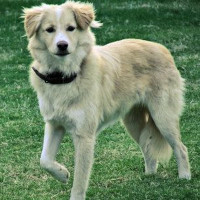
| The Shockerd is a hybrid of the English Shepherd and the purebred American Cocker Spaniel. The American Cocker Spaniel is a popular breed, whereas the English Shepherd is not recognized by the American Kennel Club and is not as popular in the United States. Both parents are extremely affectionate and loyal, and easy to train. The Shockerd is often sensitive and never aggressive. Some may be shy, but socialization and commitment to their well-being will help the Shockerd overcome any shyness. The Shockerd is not a popular hybrid choice, most likely due to the obscurity of the English Shepherd parent in the United States. Currently, the Shockerd is recognized by only two breed registries, the Dog Registry of America and the International Designer Canine Registry. |
History of the Shockerd |
| The Shockerd is a recent hybridization of the purebred American Cocker Spaniel and the English Shepherd Dog. As a designer dog, the Shockerd is not as popular as others, but this may be due in part to the obscurity of a true English Shepherd. Owners who want to know more about this hybrid breed can consult the history and character traits of both parents for a better understanding. |
A little of the English Shepherd |
||
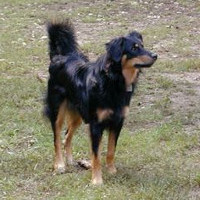
| The English Shepherd is an ancient breed that lived for many years along the borders between England and Scotland, protecting and moving cattle and sheep. The breed first developed in the British Isles when the dogs of Roman invaders interbred with local dogs nearly 2,000 years ago. Since then, the English Sheepdog has become an excellent herdsman. Bred for function, not show, his herding style is upright and his eyes are detached. The English Shepherd does not intimidate the flock into moving forward, but uses his well-positioned posture and body rather than constant eye contact and predatory movements. Show Collies, such as the Border Collie, are descended from the English Shepherd. The English Shepherd is not recognized by the American Kennel Club as a distinct breed, but the United Kennel Club is and accepts the English Shepherd Club breed standards. | ||
 |
||
| Presentation of the English Shepherd |
A little of the American Cocker Spaniel |
| The Cocker is a member of the Spaniel family and was developed in England for woodcock hunting in the 1800s. Hobbyists took note of the Cocker Spaniel and focused on selective breeding programs that supported the Cocker Spaniel's companion characteristics and docile nature. In the mid-to-late 1800s, the Cocker Spaniel was imported to the United States, where the American Kennel Club first recognized the breed in 1878. The popularity of the American Cocker Spaniel increased significantly during the 20th century, thanks in part to a much-loved American Cocker Spaniel, Brucie, who won Best in Show two years in a row. Brucie is the only dog in history whose obituary was published in the New York Times. Today, the American Cocker Spaniel still enjoys great popularity and is considered one of the sweetest medium-sized companions. |
 |
| Standard of the American Cocker Spaniel |
Appearance of the Shockerd |
| The Shockerd is a medium-sized dog with a medium-length wavy coat. The Shockerd is well balanced with harmonious proportions. The head is round, and the ears fold to the side of the head. The Shockerd's eyes are round and vary in color from medium to dark brown. The muzzle is tapered and of medium length in relation to the head, ending in a black nose. The Shockerd has straight legs, and its tail can range from a short, curled tail to a medium-length tail with a fine brush. |
Temperament of the Shockerd |
| The Shockerd has a gentle, affectionate temperament. Its cheerful nature makes it an excellent family companion. When it comes to children, the Shockerd is patient and affectionate. The herding and guarding characteristics of the English Shepherd add protective traits to the Shockerd, but children should never be left alone with a dog. The Shockerd can be slightly shy, but is generally curious and interested in strangers. Any shyness can easily be corrected through socialization and training. Training the Shockerd is easy because of its high intelligence and eagerness to please. The American Cocker Spaniel parent can add some separation anxiety to the Shockerd; the English Shepherd parent will help balance the Shockerd's tolerance for time alone. However, this breed should not be left alone for extended periods. |
Needs and activities of the Shockerd |
| The Shockerd is a medium-to-high-energy hybrid that loves to run, jump and herd. He can't stay indoors doing nothing and needs a fenced yard to run in. The Shockerd needs at least an hour of daily activity, including plenty of mental stimulation. He can become restless and bored without proper mental stimulation and develop bad habits or anxiety. The Shockerd needs a committed, but not necessarily experienced, owner. They have a high tolerance to all climates, but prefer temperate zones and are not well suited to apartments. Country living with plenty of room to move is ideal for this hybrid. |
Maintenance of the Shockerd |
| The Shockerd is not a hypoallergenic dog and has a moderate tendency to shed. Owners can reduce the amount of shedding and dead hair on the Shockerd by brushing it twice a week with a pimple brush or a long-hair brush. The Shockerd has sensitive skin that can become irritated if bathed too often. This hybrid should only be bathed when necessary, and weekly brushing helps to distribute the natural oils on the skin and keep the coat and skin healthy. The Shockerd is not prone to dental problems, but will benefit considerably from weekly brushing. If he doesn't wear out his nails naturally, trim them as needed, usually twice a month. |



 English (United Kingdom)

Comments