
 |
German Wirehaired Pointing Vizsla |
|
He is not recognized by the F.C.I. |
Origin |
Germany <> Hungary -> U.S.A. | |
Translation |
Francis Vandersteen | |
This breed is also known as |
Wirehaired Vizsla
|
A brief presentation of the German Wirehaired Pointing Vizsla |
| Loyal, strong and a quick learner best describe the German Wirehaired Pointing Vizsla, a cross between the German Wirehaired Pointing Dog and the Hungarian Wirehaired Pointer, two breeds classified as hunting dogs. The hybrid of these two parent breeds is a medium-sized, high-energy dog that requires an active family to care for it. They are not suited to city life, as they need to be able to function and expend energy on a daily basis. Although they are sensitive dogs that need encouragement and positive reinforcement in their lives, they can be quite comical with their vocalization in that they like to growl and whine as a means of expression. |
History of the German Wirehaired Pointing Vizsla |
| Little information is currently documented about the German Wirehaired Pointing Vizsla hybrid. However, based on the history of the parents, it is assumed that this hybrid was conceived for the purpose of hunting, tracking and retrieving game in water, as well as for companionship. |
A little of the German Wirehaired Pointer |
||
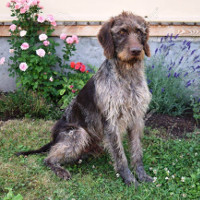
| Bred for sport and hunting, the German Wirehaired Pointer originated in Germany in the 1800s. These hunting dogs are said to have developed from many other breeds such as crosses between other Pointers, Poodles, Polish Water Dogs, Foxhounds and more. The main reason why so many breeds were used in the creation of the German Wirehaired Pointer is that enthusiasts of the time wanted to create a strong, versatile dog that could withstand adverse climates and traverse difficult terrain. He was a sought-after hunting partner because he was equally at home on land and in water. He arrived in the United States in the 1920s and joined the American Kennel Club's list of dogs in 1959 in the sporting dog category. | ||
 |
||
| Standard of the German Wirehaired Pointer | ||
A little of the Hungarian Wirehaired Pointer |
||
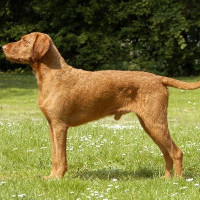
| An agile, strong breed known as a companion to nomadic peoples from the 10th century, the Hungarian Wirehaired Pointer had an interesting journey before making its way to the USA in 1950. Documented as a falcon hunter with the Magyar tribes of Hungary, he later became a trusted hunter who helped the country's nobles and wealthy classes. Versatile in talent, this dog took on Retriever duties once the advent of firearms gave the hunter a wider range of hunting grounds. The Hungarian Wirehaired Pointer was removed from Hungary as a security measure during the Soviet war, so the breed made its way to other European countries before entering the United States. This powerful dog was recognized by the American Kennel Club in 1960, joining the Sporting Group. | ||
 |
||
| Standard of the Hungarian Wirehaired Pointer |
Appearance of the German Wirehaired Pointing Vizsla |
| The German Wirehaired Pointing Vizsla is considered a medium-sized dog. Their average height can range from 53.5 to 63.5 centimeters, with males being the tallest. Their eyes are always alert and oval-shaped. The ears of this hybrid are medium-sized, slightly flat and floppy, and tend to have a rounded V-shape towards the end. The head of this elegant, strong dog is domed and of medium length. The muzzle runs parallel to the head and is blunt. The body of the German Wirehaired Pointing Vizsla is strong, muscular and strongly built, with a deep, broad chest and very straight topline. Their legs are long and almost feline, and they are muscular and well balanced. The coat is often 2.5 to 5 centimeters long, with a softer, shorter undercoat and a denser, wiry outer coat. These dogs will have a very robust appearance, with more fur concentrated on the muzzle, eyebrows, belly, neck ears and chest area. |
Temperament of the German Wirehaired Pointing Vizsla |
| The German Wirehaired Pointing Vizsla is an excellent sport animal because it is alert, quick to learn, obedient and has excellent stamina. They do well with children and other animals as long as there is adult supervision. When not out in the field hunting or retrieving, this hybrid is an excellent companion for a family home. They are gentle and people-pleasing. When meeting strangers, they should be friendly as they are not designed to be aggressive towards people. They can bark to alert their owners to a stranger, making them a relatively good watchdog. |
Needs and activities of the German Wirehaired Pointing Vizsla |
| The German Wirehaired Pointing Vizsla is a very active dog, they need at least 60 to 120 minutes of daily physical activity, especially if they are under 12 months old. These dogs thrive in homes where they have the opportunity to run, swim, play with balls and play with other toys. These dogs are recommended for owners who lead active lives and are able to handle energetic breeds. They will do best in a home environment with plenty of room to play and a well-enclosed area where they can walk, stretch and explore several times a day. |
Maintenance of the German Wirehaired Pointing Vizsla |
| The German Wirehaired Pointing Vizsla has a water- and weather-resistant coat, making it a relatively low-maintenance hybrid. You may simply need to brush dirt and loose fur from his coat once a week. Bathing should be done as needed, however, most owners choose to use a dry shampoo or damp cloth to clean the fur. As these dogs are always active and running, their nails tend to wear naturally. If your hybrid is older and less active, you may need to trim his nails every few weeks. As with all dogs, his ears need to be checked and cleaned regularly. Because this hybrid is a hunter and a lover of water, dirt and moisture can accumulate in the inner ear. If you brush his teeth several times a week, you may avoid additional dental appointments in the future. |



 English (United Kingdom)

Comments