
 |
Mini Fox Beagle |
|
He is not recognized by the F.C.I. |
Origin |
Australia <> Great Britain -> U.S.A. | |
Translation |
Francis Vandersteen |
A brief presentation of the Mini Fox Beagle |
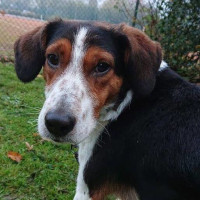
| The Mini Fox Beagle inherits its appearance and temperament from the cross between the Miniature Fox Terrier and the lovable Beagle. They are small to medium-sized dogs that tend to look a lot like Beagles, but can often have the inquisitive, unshakeable courage of Terriers. They love to explore, and prefer to do so with you by their side. Mini Fox Beagles don't like to be alone, they really enjoy company. Their appearance shows a dog with a robust build, short legs and an expressive face that clearly lets you know how they feel. They make ideal pets, with their gentle, affectionate nature. Although they love to get out and about, they can adapt to apartment life if they exercise daily. Loyal and devoted, these dogs make perfect companions. |
History of the Mini Fox Beagle |
| Because the history of the Mini Fox Beagle is lacking in data, we can consult the history of the parent breeds to see their journey through time to their current situation. |
A little of the Miniature Fox Terrier |
||
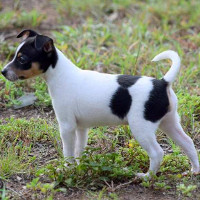
| The Miniature Fox Terrier owes its origins to the Fox Terrier, Toy Manchester Terrier, English Toy Terrier and Whippet breeds. Their development was spurred by the need for a small dog that had the enduring speed and power when hunting small animals, and they certainly achieved this with the Fox Terrier. Originally, the Fox Terrier had its roots in England, but it was the Australians who developed it into the little powerhouse we know as the Miniature Fox Terrier. These dogs were ideal for hunting rabbits, rats and snakes in the new country. They were recognized as a breed in the late 19th century, and while excellent for hunting, they also proved to be loyal companion dogs, small in size but big in personality. | ||
 |
||
| Presentation of the Miniature Fox Terrier | ||
A little of the Beagle |
||
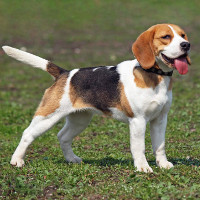
| The Beagle's ancestors are thought to be dogs from Roman times, as well as descendants of the now extinct Talbot Hounds, which William the Conqueror bought in England in 1066. The Beagle was popular as a foxhound, but fell out of favor in the 1700s as the faster, larger Foxhound became the hunter's dog of choice. Fortunately, farmers in England and surrounding areas still used the Beagle, which was ideal for hunting rabbits and hares. During the 1880s, Willet Randall developed the Patch Beagle, which became extremely popular in the 1940s and 1950s because of its ability to run so fast and track so well. The Beagle was finally accepted by the American Kennel Club in 1916. Since then, the popular Beagle has won a place in people's hearts because of its serious faces and adorable nature. | ||
 |
||
| Standard of the Beagle |
Appearance of the Mini Fox Beagle |
| The Mini Fox Beagle has a robust body supported by medium-length legs and rounded paws. The chest is medium-sized, and the neck supports the face, which is pointed and rounded at the top. The eyes are often wide-set, round and dark brown. The ears are often floppy like Beagles, although they can vary to be held higher depending on the genetic influence of the parents. The nose is black with wide nostrils. The muzzle is clean-cut and has a scissor bite. Their coat is often Beagle and spotted, although they can also tend towards Fox Terrier coloring. Even puppies from the same litter can vary considerably in coloring and pattern. One thing that doesn't vary is their attractive, sincere and enthusiastic faces, and their willingness to be an integral part of the family. |
Temperament of the Mini Fox Beagle |
| It's easy to see the Terrier heritage in the Mini Fox Beagle, as it's a brave and inquisitive dog. But it also gains the Beagle's affectionate, devotional nature. A true companion dog, he doesn't like to live outside, so be warned, his place is by your side. The Mini Fox Beagle is an ideal family dog that loves everyone and will entertain children for ages. These dogs are not guard dogs, as they tend to welcome strangers. They have a strong hunting instinct and may attack small animals unless they are raised and socialized with them. Keep them on a leash when out because of this, or you may find them disappearing over the horizon as they follow their noses and are deaf to your calls to return. In a well-fenced yard or pet park, they'll investigate every nook and cranny, such is their curiosity. Mini Fox Beagles are receptive to training, and their desire to please means they learn lessons faster than most other breeds. They like variety and fun in lessons and respond well to a firm but positive tone. Socialization during their youth will transform them into well-developed dogs. |
Needs and activities of the Mini Fox Beagle |
| The Mini Fox Beagle is an active dog, but it gets most of its exercise from the nose around the house. But because of their hunting instincts, they'll always need a daily walk to satisfy their inquisitive nature. Keep them on a leash, as their noses can lead them astray, or they can chase small animals and birds. They love to play, enjoy stimulating games that test their skills, and yet still love to snuggle up to you or next to you and enjoy your attention. They can adapt to life in an apartment, but need daily exercise. They adapt well to most temperatures and can be trained to bark only as a warning, making the Mini Fox Beagle an ideal, easy-care family dog. |
Maintenance of the Mini Fox Beagle |
| The Mini Fox Beagle requires minimal maintenance, as it has a short, smooth coat and minimal shedding. A good weekly brushing with a solid bristle brush is enough to keep them in good condition. Bathing is only necessary, using a mild dog shampoo that will be gentle on the skin and maintain the coat's natural oils. Because their ears are soft and cover the inner ear, it's essential to check them regularly to make sure they're free from dirt and inflammation. When nails become a little long, they may need trimming, and brushing teeth is important to maintain oral hygiene. The Mini Fox Beagle is an adorable, easy-care dog. |



 English (United Kingdom)

Comments