
 |
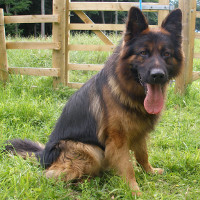
Old German Sheepdog |
|
He is not recognized by the F.C.I. |
Origin |
Germany | |
Translation |
Francis Vandersteen | |
This breed is also known as |
Altdeutscher Schaeferhund
|
A brief presentation of the Old German Sheepdog |
| An ancestor of the German Sheepdog, the Old German Sheepdog is a breed that never participated in the rigid selection program that led to the development of the more common German Sheepdog of modern times. The Old German Sheepdog has existed on German farms for hundreds of years, working diligently alongside farmers and their flocks. While many breeds closely resemble longhaired German Shepherds, there is in fact great variation within the breed when it comes to physical appearance. Bred for their working ability alone, the Old German Sheepdog's intellect, stamina and obedience have always been the foundation on which they have been bred. |
History of the Old German Sheepdog |
| The Old German Sheepdog is a German Shepherd breed classification in its own right and should certainly not be confused with an Old German Sheepdog. The likelihood that you'll ever meet a genuine Old German Sheepdog is slim. Today, this breed of dog is extremely rare. Some sources claim that it is in danger of disappearing in the near future. Before the creation of the German Sheepdog breed, the term was used in Germany to designate any dog used for shepherding. However, at the end of the 19th century, Captain Max Emil Friedrich von Stephanitz formed the "German Shepherd Society". Its main aim was to breed and document dogs, with a view to establishing a superior animal. Hektor Linksrhein was the first dog the captain saw, and he chose him as the first German Shepherd as part of his breeding program. All the dogs in his records, and subsequently their ancestors, qualified as official German Shepherds, while any other dog would be called an Old German Sheepdog. Traditionally, these dogs were popular on rural German farms, where they moved flocks of sheep across the land. In addition, they would act as guard dogs, defending livestock from potential predators. Without the involvement of Captain von Stephanitz, these dogs were bred solely on the basis of their working ability, rather than their aesthetic appearance or conformation. As they were never bred for physical appearance, there is a wide variety of breed members, and their appearance is far less uniform than that of the modern German Shepherd Dog. Their owners sought characteristics such as intelligence, speed and robustness. The persistent breeding of these non-conforming Sheepdogs by shepherds has ensured the survival of what is known today as the Old German Sheepdog. All the breed standards you read will focus on ability rather than physicality, their ability to herd being the most important factor. The emphasis on professional skill alone has meant that this breed is less predisposed to some of the health conditions from which a modern-day German Sheepdog suffers, and their characteristics are less exaggerated. In general, they more closely resemble longhaired German Shepherds. In fact, some breeders will classify any longhaired German Shepherd as an Old German Sheepdog, although this classification is not entirely accurate. The authenticity of the Old German Sheepdog as a breed in its own right is highly controversial and hotly debated. Currently, some breed enthusiasts are working hard to ensure that the breed is more widely recognized and accepted. |
Appearance of the Old German Sheepdog |
| The Old German Sheepdog was never intended to have an appearance, so there is no real breed standard. Medium to large-sized, athletic dogs measure between 55 and 65 centimeters and weigh between 22 and 40 kilos. Their coat color can be black, brown, beige or gray, and often consists of several colors. Coat length and type vary from individual to individual, although they tend to be long. |
Temperament of the Old German Sheepdog |
| This breed is hard-working, reliable and can sometimes be independent. Constantly vigilant, they make excellent watchdogs, immediately alerting their owner to any unwelcome visitors. Loyal to their families, they form close bonds with those they trust and are often very protective of them. If socialized from an early age, they can integrate well with children and other animals. |
Needs and activities of the Old German Sheepdog |
| Intellectually gifted, with the right guidance, these dogs can learn to perform a wide variety of high-quality tasks. They require firm guidance, as well as consistent and interesting training. Quick to learn, these dogs can really keep a trainer on their toes. Keeping sessions interesting will prevent a shepherd from becoming bored and disengaged with the task at hand. Traditionally used as a shepherd animal, vigilantly patrolling the fields and tirelessly protecting its flock, the Old German Sheepdog has a particularly high need for exercise. They should have access to a large, secure garden and be offered several long exercise walks a day. Thanks to their intelligence, they excel at activities such as agility, flyball and obedience, and require a great deal of mental and physical stimulation. |
Maintenance of the Old German Sheepdog |
| From an early age, Old German Sheepdogs should learn to stand still and remain relaxed while an owner checks their ears, eyes, teeth, coat, pads, nails and under their tail. They should also be accustomed to having their nails clipped and teeth brushed. Regular grooming is a must, as this breed can shed a lot. |



 English (United Kingdom)

Comments