 |
Sheltie Pug |
|
He is not recognized by the F.C.I. |
Origin |
Great Britain <> China -> U.S.A. | |
Translation |
Francis Vandersteen |
A brief presentation of the Sheltie Pug |
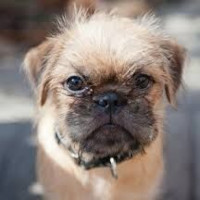
| The Sheltie Pug is a combination of the Pug and the Shetland Sheepdog. As these two breeds vary in size, the Sheltie Pug weighs between 7 and 14 kilos and can measure between 30.5 and 46 centimeters. Their personality is playful, active, happy and affectionate, making them an excellent family pet. However, they need to be carefully supervised with young children and socialized early. Their coats are generally short to medium, but straight and smooth, making them easy to care for. However, they do shed, and you'll need to brush them daily if you don't want to see hair all over your furniture. |
History of the Sheltie Pug |
| The Sheltie Pug is a designer breed that's only been around for a couple of decades, so it doesn't yet have a history. So we need to look at the origins of the Pug and the Shetland Sheepdog. |
A little of the Shetland Sheepdog |
||
| The Shetland Sheepdog was born on the Scottish island of Shetland in the 19th century. It was bred from the Border Collie, the black and tan King Charles Terrier and a certain type of Icelandic dog for the purpose of guarding sheep. They were then used to guard other animals, such as cattle, horses and even chickens. When the British navy returned from training in the Shetland Islands, they brought some of these dogs back to England. They were known as Shetland Collies for a while, but Collie enthusiasts argued and they became known as Shetland Sheepdogs and were registered with the American Kennel Club in 1911. | ||
 |
||
| Standard of the Shetland Sheepdog |
A little of the Pug |
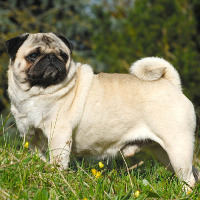
| The Pug was bred from the French Mastiff, Bulldog and Pekinese to serve as a companion for royal families. It has been present in China since the Han dynasty, around 200 B.C. It was considered a member of the royal family and even had its own bodyguards. The Pug was owned by Chinese emperors and other royal families in China, Tibet and Japan. Its name was changed to Mopshond when it was introduced to Europe in the 16th century and became popular with the royal families there. They were known by several other names in various countries, such as Doguillo in Spain, Pug in France and Mops in Germany. They were finally introduced to England in 1861, after the British had taken control of the Chinese imperial palace, and became popular in the Victorian era, where the Pug featured on many pictures, figurines and postcards. In 1885, the Pug became a member of the American Kennel Club, where it now ranks 32nd among the most popular dogs. |
 |
| Standard of the Pug |
Appearance of the Sheltie Pug |
| The Sheltie Pug is a small dog with a short to medium coat that is straight, dense and can be any color, including chocolate, cream, black, white, brown, red, brindle, sable, pied or a combination of these colors. Most Sheltie Pugs have a black mask like the Pug, but not all. They have round blue or brown eyes, a black nose, a shortened muzzle that may be brachycephalic, and a curious, alert expression. They are generally stocky, with a rectangular head, drooping triangular ears, long legs and a long tail that can be straight or curled over the back. |
Temperament of the Sheltie Pug |
| The Sheltie Pug has just enough calm to love sitting on your lap, but enough energy to want to be active for at least a few hours a day. He loves attention and enjoys playing games with you or other dogs. The Shetland Sheepdog has a habit of barking and circling if excited, so your Sheltie Pug may get a little excited. They can also inherit the habit of biting other pets and children to try to herd them, but they should be trainable to control this habit. They are intelligent dogs who learn quickly and are therefore generally easy to train. |
Needs and activities of the Sheltie Pug |
| All dogs need to go out at least several times a day, but the Sheltie Pug needs around an hour to 90 minutes of vigorous activity every day. If he doesn't get enough physical and mental exercise, your Sheltie Pug can become overweight, unhealthy and even anxious. He may also develop bad habits, such as aggression, chewing your property and excessive barking. Your Sheltie Pug may enjoy going for walks, visiting other dogs in a dog park, hiking in the woods, swimming, playing ball or simply running around in a fenced-in garden. Because of its Shetland Sheepdog genes, your Sheltie Pug may also enjoy herding trials or agility training. |
Maintenance of the Sheltie Pug |
| You'll need to brush your Sheltie Pug daily to prevent excessive shedding. You should also comb your dog thoroughly at least four or five times a week to prevent tangling if he has a Shetland Sheepdog undercoat. Hair between the ears and toes tends to tangle, so you need to pay particular attention to these areas. You can bathe them if necessary, but not too often, as this will dry out their skin. When bathing, be sure to wipe your dog's ears and check for redness and irritation. Your dog's toenails should also be trimmed as required, about once a month. Teeth are also an important part of the grooming routine; brush them several times a week for optimum dental health. |



 English (United Kingdom)

Comments