
 |
Welsh Smooth Fox Terrier |
|
He is not recognized by the F.C.I. |
Origin |
Great Britain -> U.S.A. | |
Translation |
Francis Vandersteen |
A brief presentation of the Welsh Smooth Fox Terrier |
| The Welsh Smooth Fox Terrier is part Welsh Terrier, part Fox Terrier Smooth. As both are small breeds, your Welsh Smooth Fox Terrier should also be small. It's an alert, friendly dog that makes an excellent pet for any family, although it should be supervised in the presence of young children and small pets that could be mistaken for prey, such as hamsters and rabbits. These dogs have abundant energy and a hunting instinct, so they love to dig and chase local wildlife in your garden. Although they can take some time to train, they're super intelligent and obedient if you're persistent and patient. |
History of the Welsh Smooth Fox Terrier |
| As the Welsh Smooth Fox Terrier is still relatively new, it has no history to consult. However, the history of the Welsh Terrier and the Fox Terrier Smooth can give you an idea of your dog's past. |
A little of the Welsh Terrier |
||
| The Welsh Terrier, originally from Wales, became popular in the 1700s, when it was discovered that they were excellent hunters of vermin, such as rats, otters, badgers and foxes. They were particularly good at tracking, and would chase just about any creature out of their dens or caves for their human hunters to catch. This land dog practice earned them a good reputation at the time, and they still practice the sport today. Because of their black and tan coat, they used to be called Black and Tan Wirehaired Terriers, but their name was changed in the late 19th century by the American Kennel Club, which accepted them in 1888. Today, this breed is the 111th most popular dog in the United States. | ||
 |
||
| Standard of the Welsh Terrier |
A little of the Fox Terrier Smooth |
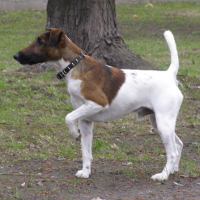
| The Fox Terrier Smooth and the Wire Fox Terrier were considered the same breed until the 1920s, when the Fox Terrier Smooth became famous for being the logo of the RCA. Originating in England, the Smooth Fox Terrier was developed in the 1700s from the Beagle, Greyhound, Smooth Black and Tan Terrier and Bull Terrier to be a fox hunter, as its name suggests. They hunted in packs, chasing foxes into their holes and then chasing them back. The Fox Terrier Club of England was founded in 1876, and nine years later its American version was born. Although it was much more popular in the early 1900s, today it is the 124th most popular breed of dog in the American Kennel Club, of which it has been a member since 1885. |
 |
| Standard of the Fox Terrier Smooth |
Appearance of the Welsh Smooth Fox Terrier |
| Your Welsh Smooth Fox Terrier will be a small dog, weighing less than 9 kilos and measuring 38 centimeters, with a short, hard, straight but thick coat. There are many different colors, such as part colored, grayish, piebald, white, beige, liver, merle, spotted, black and chocolate, but the most common is black and tan. Welsh Smooth Fox Terriers have large, round, dark-brown eyes with a curious expression, and a long, square muzzle with a black or brown nose, depending on coat color. Its body is rectangular and stocky, with long legs, a short tail, curved toes and an athletic build. Ears are triangular, and can be floppy or pricked. |
Temperament of the Welsh Smooth Fox Terrier |
| The Welsh Smooth Fox Terrier has a big personality in a small body with a surprisingly huge amount of courage. It will protect itself and its family from any threat, no matter how big or frightening. Although they love to play with other dogs once properly socialized, they are hunters at heart and will chase small animals, risking injury. Training them takes a little time, but once they've learned, they're trained for life and won't give you any trouble. They love children, but shouldn't be left alone with little ones, as they can be snappy when they get upset. |
Needs and activities of the Welsh Smooth Fox Terrier |
| Your Welsh Smooth Fox Terrier is full of energy and needs plenty of exercise every day to avoid boredom, anxiety and keep your dog healthy. Dogs that don't get enough exercise, both mentally and physically, can be prone to aggression, excessive barking and destruction of personal property. Your Welsh Smooth Fox Terrier is a hunting dog at heart, and will enjoy hunting local wildlife in the yard or park on a daily basis. He's also frequently found in earth dog trials, agility classes, obedience classes and other outdoor sports like flyball, frisbee and just a good old-fashioned game of fetch. |
Maintenance of the Welsh Smooth Fox Terrier |
| The Welsh Smooth Fox Terrier's coat is easy to care for and can even be considered hypoallergenic, as it doesn't shed much if you brush your dog several times a week. All you need is a bristle brush, a rubber curry glove or a long-haired brush to keep your dog's coat healthy. You can shampoo them when necessary, but not too often, as this can lead to dry skin. Clean your dog's ears twice a month, and clean his teeth with a soft toothbrush to prevent cavities and bad breath. We also recommend trimming your dog's toenails once a month. |



 English (United Kingdom)

Comments