
 |
Basset Foxhound |
|
He is not recognized by the F.C.I. |
Origin |
Great Britain <> U.S.A. -> U.S.A. | |
Translation |
Francis Vandersteen | |
This breed is also known as |
American Basset Foxhound |
A brief presentation of the Basset Foxhound |
| Gentle and tenacious, the Basset Foxhound is a hybrid breed developed from its parent breeds, the Basset Hound and the American Foxhound. The Basset Foxhound may be known as a vocal breed because of the Foxhound. Although the exact origin of the breed is unknown, the hybrid is thought to have been developed in the USA over the last two decades. The original purpose of the Basset Hound was to track hares and rabbits, while the original purpose of the American Foxhound was also to track small animals. The current purpose of the Basset Foxhound is as a pet and hunting aid. The Basset Foxhound resembles both parent breeds, and each puppy can inherit the dominant traits of either. Its coat is dense, smooth and glossy. Coat color varies from black to white to beige. The Basset Foxhound has a short coat that requires minimal maintenance. |
History of the Basset Foxhound |
| Although the exact origin of the Basset Foxhound is unknown, it is suspected that the breed originated in the United States. The Basset Foxhound is thought to have originated in the last two decades, when hybrids began to gain popularity as a means of eliminating widespread disease. The Basset Foxhound was created from the Basset Hound and the American Foxhound. The Basset Hound was originally bred to track hares and rabbits, while the American Foxhound was bred to hunt small animals and foxes. |
A little of the Basset Hound |
||
| The history of the Basset Hound goes back to before the start of the French Revolution with the friars of the French abbey of Saint-Hubert. It is said that the friars wanted a breed that would walk at a slow pace so they could follow the dog outdoors. The Basset Hound was bred to contain short, stocky legs. After the French Revolution, the Basset Hound began to gain popularity with hunters who needed to catch small game. The Basset Hound has remained a popular breed among hunters. In 1935, the Basset Hound was recognized by the American Kennel Club. | ||
 |
||
| Standard of the Basset Hound | ||
A little of the American Foxhound |
||
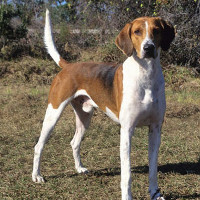
| In the 1700s, the American Foxhound is thought to have become popular with the upper class as a hunting breed. Researchers believe that the Foxhound was originally crossed with a French dog that was given as a gift to George Washington. In the 1700s, the Foxhound was crossed with French and English Foxhounds to create the American Foxhound. The Foxhound was prized for its innate talent for catching foxes with precision and speed. The Foxhound was bred for its exceptional speed and stamina, as well as its efficient scenting skills. | ||
 |
||
| Standard of the American Foxhound |
Appearance of the Basset Foxhound |
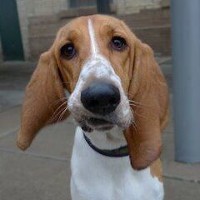
| The Basset Foxhound resembles both the Basset Hound and the American Foxhound in appearance. Its size can vary depending on the litter, although the Basset Foxhound is usually smaller than the Basset Hound. Its ears are generally shorter than the long, floppy ears seen on the Basset Hound. The tail more closely resembles the American Foxhound, sloping and pointing downwards, but carried straighter when in action. The Basset Foxhound's body is less stocky than that of the Basset Hound. This attractive hybrid has dark eyes, and will generally not inherit the drooping eyes of the Basset Hound, but rather a very alert expression. Its muzzle is thinner than that of the Basset Hound. The coat is dense, short and smooth, and can come in a combination of black, white and beige. |
Temperament of the Basset Foxhound |
| The Basset Foxhound inherits traits from its two parent breeds, the Basset Hound and the American Foxhound. The breed is considered affectionate, energetic and loyal to its family. The Basset Foxhound may require patience to train, due to the Basset Hound's obstinate manner. The Basset Foxhound can be moderately difficult for new owners, although this hybrid is an exceptional choice for families as it loves to be part of the pack. The Basset Foxhound is adorable with young and older children and can learn to accept strangers with early training. The Basset Foxhound requires early intervention to accept other dogs and other animals due to its initial focus on hunting prey. A dog with moderate energy levels, lack of activity can turn into destructive behavior if not sufficiently stimulated mentally and physically. We recommend providing the Basset Foxhound with effective positive reinforcement and firm commands. |
Needs and activities of the Basset Foxhound |
| Your Basset Foxhound has moderate activity levels that should be stimulated by daily exercise. The Basset Foxhound will excel at retrieving, tugging, running and walking exercises. Daily exercises can be split throughout the day to prevent your dog from getting bored. Because this hybrid thrives on order and a job to do, obedience classes may be just the thing to tire him out. The Basset Foxhound would do best in an apartment or house with a fenced yard, either in a rural or urban area, preferably with a warm climate. Your Basset Foxhound can adapt to different living situations as long as he gets the recommended daily outings. On average, your Basset Foxhound should have 30 minutes of daily exercise. |
Maintenance of the Basset Foxhound |
| The Basset Foxhound is not considered a hypoallergenic breed and can have high shedding levels. Its coat is dense due to the influence of the Basset Hound. Daily brushing with a curry rubber brush or a smoother brush can significantly reduce shedding and remove dead hairs. It's recommended to bathe your Basset Foxhound every 6 to 8 weeks, unless it's necessary to bathe sooner due to an encounter with mud and dirt while running. This hybrid's ears are prone to bacterial build-up and should be wiped and cleaned weekly. Teeth should be brushed regularly. This breed loves to explore, so nails should be trimmed every 2 to 3 weeks to prevent proliferation and avoid the tears that can occur. Basset Foxhounds are moderate bathers, and extra effort should be made to wipe the mouth area to prevent bacterial growth and skin irritation. |



 English (United Kingdom)

Comments