
 |
Brittnepoo |
|
He is not recognized by the F.C.I. |
Origin |
France -> U.S.A. | |
Translation |
Francis Vandersteen | |
This breed is also known as |
Brittany Doodle |
A brief presentation of the Brittnepoo |
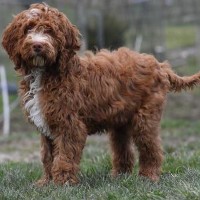
| Brittnepoo combines the best features of the Brittany Spaniel and the Poodle. Medium-sized for a dog, it inherits the elegance and proud bearing of the Poodle, with the loving gentleness of the Brittany Spaniel. The Brittnepoo has an athletic body and is a long-legged, energetic dog. With both parent dogs coming from a hunting background, your Brittnepoo still retains the instinct to hunt or follow a trail, so be sure to keep them on a leash when walking. Although they're not recommended for apartment living due to their active nature, they're best if they have an area to explore and expend their energy. |
History of the Brittnepoo |
| Because there's little history on the Brittnepoo, checking the parent breed can provide vital information on the character and nature of the new hybrid. Both parent dogs, the Poodle and the Brittany Spaniel, have a history of hunting and retrieving in their blood. It would be fair to say that the Brittnepoo has inherited these dogs' hunting instincts. |
A little of the Brittany Spaniel |
||
| The Brittany Spaniel is a French dog similar to the Welsh Spaniel, although the breed is considered a Pointer and not a Brushhound like the Spaniels. Breton dogs were first recorded in paintings and tapestries in the 1700s. The modern Brittany Spaniel developed in Pontou in the province of Brittany in France during the 1800s, where it developed its bobtail and tailless character. Like so many other European breeds, the Brittany Spaniel lost popularity at the turn of the 20th century due to the rise of European conflicts, but was imported to the Americas, where the breed was recognized by the American Kennel Club in 1934. | ||
 |
||
| Standard of the Brittany Spaniel | ||
A little of the Poodle |
||
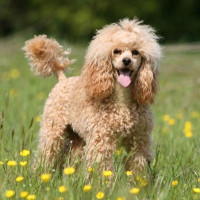
| The Poodle originated in Germany, but developed into its own distinctive breed in France. There are many suggestions as to its ancestry, but the best guess is that it's an old breed. The French used the larger Standard Poodle for duck hunting, the Miniature Poodle for sniffing out truffles in the woods, while the Toy Poodle's main job was as a companion. The Poodle often traveled with gypsies, who discovered that it was excellent to train it as a circus dog. It's not known for sure when the Poodle arrived in the United States of America, but the AKC registered its first Poodle in 1886. Poodles were quite rare in the USA until after the Second World War. By the mid-1950s, it had become the country's most popular breed, a position it held for over 20 years. The Brittnepoo looks set to perpetuate the popular lines of these dogs and is making a place for itself in the hearts of dog owners. | ||
 |
||
| Standard of the Poodle |
Appearance of the Brittnepoo |
| The Brittnepoo is a medium-sized dog that is elegant and squarely built. It has a long muzzle, rounded skull and slight stop. The broad ears hang close to the head and are supple. The nose has large nostrils and comes in various shades from beige to brown, dark pink or even black, depending on the coat color. The teeth meet in a scissor bite. Brittnepoo eyes are oval and dark in color. The body is athletic and well-shaped, with long, straight front legs and small, round paws with well arched toes and thick pads. The tail is set high and is naturally short or docked to 10 centimetres or less (in Europe, it is illegal to clip tails). The dewclaws are sometimes removed. The Brittnepoo line may have feathers on the legs. |
Temperament of the Brittnepoo |
| The Brittnepoo is a dog that wants to please, and has a sensitive side to its nature. When training this breed, use firm but friendly language and reward achievements with lavish praise and small treats. These dogs have lots of energy and will join you for a walk or a game. When walking the dog, keep him on a leash as he can wander off following his nose, leaving you behind. These are intelligent dogs who learn quickly and respect a strong leader. Socialize puppies well to ensure they are good with children and other pets. These dogs need mental stimulation and physical exercise to stay happy and healthy. They can become hyperactive and unstable if they don't get the exercise they need. The Brittnepoo is an affectionate dog but has a little independence, but is generally very good-natured and easy to look after. Their enthusiasm for a walk or a game will put a smile on your face - they just love life. |
Needs and activities of the Brittnepoo |
| The Brittnepoo comes from a line of active parent dogs, so it inherits this trait. They love to walk or run every day, and enjoy active family play. They love retrieving a ball, splashing in water or taking on the challenge of an obstacle course. Brittnepoo are highly intelligent dogs who enjoy mental challenges. If you have a fenced-in yard, they'll stay happy with one eye on you to see what you're up to. They are people dogs and love to be part of the family scene. Although they can be kept in an apartment, they need daily exercise to succeed. And by exercise, I mean a challenging walk or run, or games where they have to fetch the ball. You need to use that energy so they're happy to rest once they're indoors. These dogs need to cover an average of 10 kilometers a day. |
Maintenance of the Brittnepoo |
| Brittnepoo care and maintenance depends on the predominance of the Poodle's influence on your dog. Usually, the hybrid breed has a combination of the dense, soft single coat of the lightly feathered Brittany Spaniel, with the fine, curly coat of the Poodle. It will need regular brushing every other day just to keep it from matting. Trimming may be necessary to keep him in shape, especially if your Brittnepoo tends to carry the Poodle coat. Although this dog doesn't require frequent washing, be sure to use a sensitive dog shampoo to keep the skin healthy. Dental care is particularly important, so teach your dog when he's young to have his mouth examined and his teeth brushed. If your dog has been out exploring, check the inner ear to make sure there are no seeds trapped in the ear to cause inflammation. A nail trim every two weeks should keep your dog in perfect health. |



 English (United Kingdom)

Comments