 |
Chesador |
|
He is not recognized by the F.C.I. |
Origin |
U.S.A. <> Canada -> U.S.A. | |
Translation |
Francis Vandersteen |
A brief presentation of the Chesador |
| The Chesador is a wonderful combination of the Chesapeake Bay Retriever and the Labrador Retriever. Chesadors are large dogs, measuring from 51 to 69 centimeters in height and weighing from 22.5 to 36 kilos. They have short to medium-sized, dense, waterproof coats that can be black, brown, yellow, light brown or golden. Chesadors are excellent watchdogs, but are also very good at swimming and retrieving. They love children and other animals. This breed is intelligent and easy to train. Labradors are well known for their loyalty to their owners and will do just about anything to please you. |
History of the Chesador |
| The Chesador is a specific cross between a Chesapeake Bay Retriever and a Labrador. Although these types of designer dogs have enjoyed a resurgence in popularity in recent years, they are not purebreds and are not recognized by the American Kennel Club. They are, however, recognized by the International Designer Canine Registry. |
A little of the Chesapeake Bay Retriever |
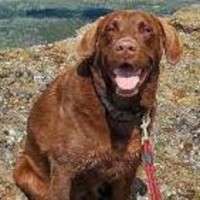
||
| In 1807, an American ship rescued the crew of an English brig that had run aground off the coast of Maryland. The ship's crew offered their rescuers two dogs. The male, Sailor, was red and the female, Canton, was black. The puppies from these two were the first Chesapeake Bay Retrievers. These dogs are known for being able to swim into the icy Chesapeake Bay to retrieve hundreds of ducks a day for their owners. According to history, the descendants of these dogs have been crossed with other dogs such as the English Otterhound, Curly-Coated Retriever and Flat-Coated Retriever. They are one of the few breeds that originated in America and were accepted by the American Kennel Club (AKC) in 1878. They are now the 43rd most popular dog breed in America. | ||
 |
||
| Standard of the Chesapeake Bay Retriever | ||
A little of the Labrador Retriever |
||
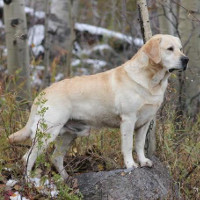
| The Labrador Retriever has been registered with the AKC since 1917 and is the most popular dog in the United States. This Retriever originated in Canada in the 1800s and has been used for field trials, obedience competitions, guide dogs and water retrieving. Originally from Newfoundland, they are actually related to the original Newfoundland breed. They used to be called the Little Newfoundland because they were smaller than the original Newfoundland. The Labrador Retriever was the first of the Labrador breed, and they were medium-sized with a black coat. The original Labradors were well known for retrieving all kinds of game on land and water. Although black is the most preferred color, there are now yellow and chocolate Labradors. | ||
 |
||
| Standard of the Labrador Retriever |
Appearance of the Chesador |
| Your Chesador can be any color, including black, brown, light brown, gold and yellow. They have a medium to long, thick and soft double coat that is waterproof. They are large dogs, 51 to 69 centimeters in height, and can weigh from 22.5 to 36 kilos. Chesadors are strong and muscular, with long, well-defined legs, large webbed feet for swimming, a large head, floppy ears and brown or hazel eyes. With their broad muzzle and wide head, they need a strong, thick neck. Chesadors have a friendly, enthusiastic expression that makes you want to talk to them. |
Temperament of the Chesador |
| This breed is one of the best family dogs available because their Labrador traits make them easy-going and relaxed with everyone. They love other animals and children, and can also be protective watchdogs. They love attention and should be included in family outings as much as possible as they like to feel part of the family. They are also very easy to train as they strive to please you. This breed is generally calm and has no aggressive tendencies, but it's best to socialize it as a puppy to ensure it doesn't become nervous. |
Needs and activities of the Chesador |
| Chesadors need lots of intense activity to stay healthy and avoid boredom. These dogs are generally calm indoors, but if they don't get enough exercise, they can become destructive. Some of the best activities for your Chesador include hiking, swimming, long walks, retrieving play, trips to the dog park and jogging. They are excellent hunters and retrievers, so you can take them hunting with you if you enjoy it. Agility competitions are another activity they love, so practicing every day can keep your dog well exercised. It's important to give your dog at least 60 to 90 minutes a day of intense activity. |
Maintenance of the Chesador |
| This breed needs to be carefully brushed at least two or three times a week to avoid excessive shedding and increase circulation. This will also keep the skin and coat healthy and shiny. It's best to use a stiff bristle brush or comb, and be sure to do this under the neck and behind the ears. You should also brush his teeth with dental products designed for dogs to prevent dental problems. Check your Chesador's ears once a week to prevent wax build-up, mites and redness. Because their ears are so heavy, they can trap moisture and dirt that can cause infections. Trim their nails as needed. |



 English (United Kingdom)

Comments