
 |
English Speagle |
|
He is not recognized by the F.C.I. |
Origin |
Great Britain -> U.S.A. | |
Translation |
Francis Vandersteen |
A brief presentation of the English Speagle |
| The English Speagle is a hybrid cross between the Beagle and the King Charles Spaniel. It's a beautiful breed with a slightly wavy coat, big ears and big, round, intelligent eyes. Combining the best of both parent breeds, the Speagle is cheerful, intelligent, friendly, loyal and gentle. They do well with children and other animals, but can be a barker due to their Beagle nature, which can be annoying to neighbors, making the Speagle better suited to more rural areas. Because the Speagle is a mixed breed, it's difficult to determine exactly what each dog's personality will be like. On the whole, however, the Speagle is an excellent family dog that will make the ideal companion for anyone who enjoys an active lifestyle. Whether you're getting your first dog or looking for a new one, the Speagle is an excellent choice for everyone, at every level. |
History of the English Speagle |
| Although the English Speagle is a relatively new breed with very little information on its origins and history, we have plenty of details about the Speagle's parent breeds, the Beagle and the King Charles Spaniel. Examining these origins and how the dogs were born can give a glimpse of what the Speagle might look like depending on its bloodlines. |
A little of the King Charles Spaniel |
||
| The King Charles Spaniel is a small Spaniel breed probably descended from the ancient companion dogs of the Japanese and Chinese imperial courts. Once this breed made its way to European soil, it soon stole the hearts of all who lived there, including royalty. For this reason, the breed became known as the King Charles Spaniel (since both the first and second Kings Charles adored the breed). Despite their popularity, the King Charles Spaniel changed slightly after the death of King Charles II, as Carlins then became popular. The two breeds were then mixed from time to time, slightly modifying the characteristics of the King Charles Spaniel. Today, they are used in shows and as pets. | ||
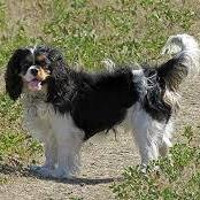 |
||
| Standard of the King Charles Spaniel | ||
A little of the Beagle |
||
| The much-loved Beagle is a member of the hunting dog family and lives by its nose. They were first imagined in England around 1475, and are thought to have been named after the way they barked at their prey (Beagle meaning "big mouth" in French). In the early 19th century, the breed was developed to be the standard we seem to see today, a small, athletic dog with a clever nose for hunting all kinds of different game. The Beagle is a playful, friendly breed that has been popular for generations, first finding its way into the hearts of Americans in the early 2000s. Since then, the Beagle has been used as a family dog, even despite its strong desire to hunt. | ||
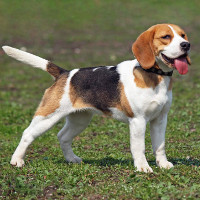 |
||
| Standard of the Beagle |
Appearance of the English Speagle |
| Because the Speagle is a cross between the King Charles Spaniel and the Beagle, their appearance and personality can vary considerably, even within the same litter. However, the typical appearance of the Speagle is a large dog with medium to long hair and a soft wave. The coat is generally soft, but also has a little stiffness on the Beagle side. Long ears and large, round eyes complete the face, the eyes being generally light to dark chocolate brown. The muzzle is well-shaped and not too long, with a scissor-like jaw and strong forehead. The forehead is usually decorated with a kind of brazier, which comes from the Spaniel side of the family. The tail is long and full, with light feathering if the Spaniel side comes out more than the Beagle. Because of the Speagle's longer coat, this breed tends to like more moderate temperatures. This is because hot weather can overheat them, but their single-layer coat isn't thick enough for very cold temperatures. |
Temperament of the English Speagle |
| This breed is a complete sweetheart. They're wonderful with children of all ages and don't mind other pets at all, especially if they've been raised with them since puppyhood. As loyal companions, Speagles tend to have difficulty being left alone, and barking will most likely occur when they are kept inside the house or in a crate without their surroundings. This is not aggression of any kind, but simply the Beagle's tendency to bray to alert its owner to any kind of interesting or different situation. Because of this barking tendency, the Speagle may do best in a more rural area to avoid annoying nearby neighbors. On top of this, the Speagle is an excellent companion for those who want an easy-going dog that maintains an excellent balance between knowing how to play and how to relax. Such a trait comes from the fact that Spaniels and Beagles, while being active dogs, are also known to enjoy a good cuddle on their owner's lap or bed. Because this breed is so easy to train, early socialization and training sessions should be more than enough to combat unwanted habits and instill a sense of good manners in your puppy. If you're looking for an easy-going, playful and loyal companion that's not too difficult to train, then the Speagle may be the perfect solution for you. |
Needs and activities of the English Speagle |
| As both parent breeds of the Speagle are relatively active, it's important to provide your dog with mental and physical exercise a few times a day. Activities such as a long walk, hike, jog, bike ride, workout and playing fetch in the yard for around 40 minutes to 1 hour at a time are more than enough to help keep your dog tired and happy. While simple physical stimulation is very important, you'll also want to keep an intelligent dog mentally tired. Training is a great way to do this, and to create a deeper bond between you and your dog. Because both the Beagle and the Spaniel are capable of being comfortably housetrained, you won't have to worry too much about your Speagle constantly needing a good workout, making it an excellent dog for apartments. However, exercise will be necessary several times a day, and forgetting to do so can result in the destruction of your property and poor behavior from your Speagle. |
Maintenance of the English Speagle |
| Although the King Charles Spaniel and Beagle are relatively low-maintenance, they tend to shed very often, a trait that is definitely passed on to the Speagle. For this reason, you may want to be prepared for hair to be present all the time on your furniture and clothes. Brushing at least three times a week with a metal comb and curry brush will be an excellent way to minimize shedding, as well as removing any dirt that may be on your dog's coat. Bathing should only take place every few months, or whenever your Speagle is particularly dirty. In addition to brushing and bathing, be sure to clean your dog's ears often and dry them thoroughly after bathing and swimming. This is because the Speagle's folded ears can easily trap excess moisture. If moisture remains inside the ears, infections can occur. A thorough cleaning can help reduce the risk of infection and irritation. Finally, trim your dog's nails every few weeks to keep paws healthy and snag-free. |



 English (United Kingdom)

Comments