
 |
Poo-Shi |
|
He is not recognized by the F.C.I. |
Origin |
France <> Japan -> U.S.A. | |
Translation |
Francis Vandersteen |
A brief presentation of the Poo-Shi |
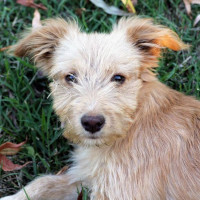
| The Poo-Shi is a small to medium-sized hybrid breed and is a cross between a Shiba and a Poodle. They are also known as Shiba-poo, Shibadoodle or Shibapoo and are loyal, affectionate dogs that make excellent pets. The Poo-Shi combines the intelligence of the Poodle with the confidence of the Shiba. They get on well with children and other pets, especially if socialized early. They can be quite possessive, especially of toys. They are affectionate and loyal, forming strong bonds with their families. The breed is wary of strangers and is a good watchdog, always barking to alert the family of intruders. They are prone to barking if left for long periods, so will suit families where there are lots of people at home. They don't shed much and are hypoallergenic, ideal for allergy sufferers. |
History of the Poo-Shi |
| The Poo-Shi is a designer dog and a cross between a Shiba and a Poodle. |
A little of the Poodle |
||
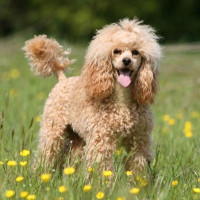
| With their elaborate hairstyles and graceful attitudes, Poodles are often mistaken for pampered companion dogs. But after Border Collies, they rank second in intelligence and aren't afraid to get their feet wet. In fact, they were bred to retrieve waterfowl for hunters and are excellent swimmers. There are three sizes of Poodle: Toy, Miniature and Standard, the latter being the oldest of the three. The Poodle is considered the national dog of France, where it is known as Caniche, meaning duck dog, but it actually originated in Germany, where it is called Pudel, or Pudelin, meaning to splash in water. It's a very old breed, with illustrations of dogs of a similar type on Egyptian and Roman artefacts dating back to the first centuries BC. It was in the 1400s that smaller versions were bred as companion dogs for the nobility. They were also popular as circus dogs for their ability to perform tricks. Poodles were registered by the American Kennel Club in 1886 and, although initially quite rare, have since become very popular dogs. | ||
 |
||
| Standard of the Poodle |
A little of the Shiba |
| The Shiba, with its wolf-like appearance and fox-like face, is a Japanese national treasure. Bred for hunting, the Shiba is the smallest of Japan's six Spitz breeds. The word “Shiba” means small, but the breed can also be named after the red bushes in which they hunted. They were almost wiped out during the Second World War, and others died out after a distemper epidemic in the 1950s. Subsequent dogs were bred from the only three surviving lines, the Shinshu Shiba, the Mino Shiba and the San'in Shiba. These three strains were combined to form what is today's breed. In 1936, the Shiba was recognized as a natural monument of Japan. The first Shiba arrived in America in 1954, brought by a family in the armed forces, but the first litter to be born in the U.S.A. was not until 25 years later. They were officially recognized by the American Kennel Club in 1992. |
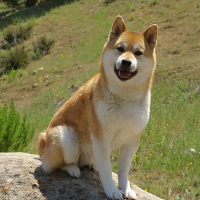 |
| Standard of the Shiba |
Appearance of the Poo-Shi |
| The Poo-Shi is a small to medium-sized dog whose parent breeds are the Shiba and the Poodle. Their size can vary according to the size of the parent breed, but they are generally small to medium-sized dogs weighing up to 9 kilos and measuring up to 51 centimeters. Common colors are cream, white, apricot, red, sable, brown, black and tan. Coats are long and can be wavy or curly. They can have the sharper features of a Shiba Fox or the softer, rounder look of a Poodle. Ears may be slightly erect or hang over the face. The eyes are dark brown and the nose is black. |
Temperament of the Poo-Shi |
| The Poo-Shi is a confident, friendly and loyal dog who would rather be surrounded by family than left alone. These dogs are good with children and can be good with other pets if socialized early. They tend to be stubborn and can be possessive of what they perceive as toys, so training is necessary when they are puppies so they can learn good habits. They are intelligent dogs like their parent breeds, so will learn quickly and are very responsive. They respond particularly well to praise and positive reinforcement. They are affectionate with their family but wary of strangers. Your pet will bark to let you know if an intruder is approaching, so they make good watchdogs. Because these dogs are intelligent, they'll need plenty of mental and physical stimulation to avoid becoming bored and potentially destructive. They are alert, energetic dogs who love to play. |
Needs and activities of the Poo-Shi |
| Although they are energetic dogs, little exercise is needed to keep them happy and well-behaved. They'll enjoy short daily walks around the neighborhood or to the dog park, and love playing indoors with family and children. As long as they have human companionship, these dogs will be content. They will adapt well to apartment living, but will also appreciate a home with a fenced-in yard. They may try to escape, so make sure it's secure. Poo-Shi are quite tolerant of heat and cold, but should not be left outside for long periods. Try to exercise your pet in the morning or evening in summer when it's not too hot. |
Maintenance of the Poo-Shi |
| The Poo-Shi doesn't shed much, but will need regular grooming to keep its coat healthy. If your dog resembles the Shiba with its thick double coat and soft, thick undercoats, it may need more regular brushing. If your dog takes after the Poodle, it will also need a lot of maintenance and probably the services of a professional groomer to trim it. A Poo-Shi can be hypoallergenic after the Poodle side, making it ideal for allergy sufferers. These dogs won't need many baths, as they're virtually odorless and don't drool at all. Check ears regularly for dirt and brush teeth as often as possible to avoid dental problems. Nails should be trimmed if necessary. |



 English (United Kingdom)

Comments