 |
Woodle |
|
He is not recognized by the F.C.I. |
Origin |
Great Britain <> France -> U.S.A. | |
Translation |
Francis Vandersteen | |
This breed is also known as |
Welshpoo Terrier
|
A brief presentation of the Woodle |
| The Woodle is a hybrid dog created by mixing the Welsh Terrier and the Poodle. This mix is also sometimes called the Welshpoo Terrier or Welshdoodle Terrier. The genes between the two breeds create an affectionate, caring dog known for its calm demeanor. The Woodle has a playful spirit and likes nothing better than to interact with its master on a daily basis. Although a medium-sized dog, its calm nature makes it an acceptable choice as a companion for the elderly, an apartment dog or for a home with a small garden. As adults, they generally measure between 38 and 51 centimeters at the shoulders and weigh between 9 and 23 kilos. |
History of the Woodle |
| The Woodle combines the positive characteristics of its two parent breeds. |
A little of the Welsh Terrier |
||
| The Welsh Terrier originated in Wales. The earliest description of the breed dates back to 1450, and it was a direct descendant of the black and tan Rough Terrier. During the 1700s and 1800s, the breed became very popular throughout Britain. These dogs were often used to hunt otters, foxes and badgers. Welsh Terriers are known for their exceptional courage. The breed easily gets down on the ground to hunt aggressively. In 1885, the breed was imported to the United States. That same year, the American Kennel Club recognized the breed, and the two importers competed in the AKC Miscellaneous Class. | ||
 |
||
| Standard of the Welsh Terrier |
A little of the Poodle |
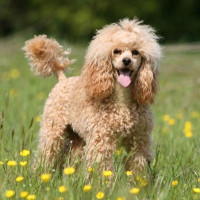
| The Poodle is thought to have originated in Germany. It has a long history that was firmly established when the famous German artist Albrecht Düre depicted the dog in his paintings during the 15th and 16th centuries. By the 18th century, the curly-haired dog was widespread as a companion dog in Spain. Miniature Poodles became the pampered pets of wealthy French aristocrats. The dogs often had their hair clipped and dyed to match their masters' hairstyles. There are three size variations of the Poodle, which explains the different sizes of Woodles. The large Standard Poodle was often used as a hunting and retrieving dog. In 1887, the breed was officially recognized by the American Kennel Club and classified as a non-sporting dog. The Poodle has the distinction of being the second most intelligent dog breed. He transmits his intelligence to the Woodle to create a wonderfully balanced dog. |
 |
| Standard of the Poodle |
Appearance of the Woodle |
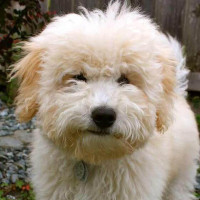
| The Woodle has a round face and robust muzzle. Its eyes and nose are black like little buttons. Its ears are soft and covered with soft curls. Its body is muscular and stocky. The Woodle's whole body is covered with curly hair and it has a short tail. His feet are slightly large and round. Overall, he has an adorable appearance that's very appealing with his friendly expressions. Poodles come in three sizes, so depending on the size of the Poodle the Woodle has for a parent, its size will vary from small to medium. Like its Poodle parent, the Woodle rarely sheds. Its coat often comes in shades of apricot, black, white, light brown, tan, gold and cream. |
Temperament of the Woodle |
| The Woodle is highly intelligent. He can learn tricks quickly and always wants to please his master. You can easily train them with positive reinforcement and treats. Unlike many dog breeds, he's calm and happy to sit on his owner's lap for a cuddle. He gets on well with other pets and will even make friends with a cat. The Woodle is an ideal family dog, as it really enjoys interacting with children. |
Needs and activities of the Woodle |
| The Woodle is a calm dog. He enjoys a daily walk or a trip to the dog park, but he doesn't need an excessive amount of exercise to thrive. He's an easy-going dog, and a trip to the dog park is often an ideal activity, as he generally gets on well with other animals. The Woodle is not excessively barky, but will let his master know if he hears an unusual noise or sees a stranger. He's an ideal companion who really wants to be involved in all aspects of his master's life. |
Maintenance of the Woodle |
| The Woodle's coat is similar to that of the Poodle. It is constantly growing, requiring regular clipping and visits to the groomer. Many owners choose to shave their Woodle to reduce coat maintenance. When the coat is long, it should be brushed daily to prevent tangling and remove debris. Woodle's floppy ears should be wiped once a week to remove all debris. Owners often choose to brush their dog's teeth to freshen breath and prevent future gum disease. His nails should also be trimmed at least once a month if he doesn't get enough exercise to wear them down naturally. A bath once a month is usually all the little guy needs. |



 English (United Kingdom)

Comments