
 |
Yorktese |
|
He is not recognized by the F.C.I. |
Origin |
Great Britain <> Central Mediterranean -> U.S.A. | |
Translation |
Francis Vandersteen | |
This breed is also known as |
Malkie
|
A brief presentation of the Yorktese |
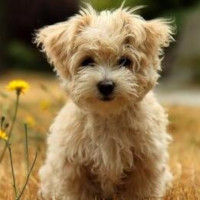
| A combination of two toy breeds, the Yorkshire Terrier and the Maltese, the Yorktese is a small, designer breed with an eccentric character and a distinctive look. This breed is known as a lap dog and an excellent companion thanks to its affectionate, playful nature and small size. Despite this, it can be a little difficult with other dogs, other pets, strangers and young children, so socialization is important if it is to interact regularly with people other than its owner. They have long, straight coats, with colors generally limited to black, white, silver and fawn. They need a lot of maintenance to keep their recognizable appearance, especially around their short-nosed face. |
History of the Yorktese |
| The Yorktese is a modern-design breed with a short history that is based in the United States, unlike its parent breeds, which are long-established in their countries of origin. |
A little of the Yorkshire Terrier |
||
| The Yorkshire Terrier owes its name to its place of origin, England. Its development was triggered during the Industrial Revolution, when Scottish immigrants flooded England in search of work. They brought with them Waterside and Old English Toy Terriers, two now extinct breeds well suited to rodent control. This association gave rise to some of the breed's earliest refinements. Over time, they eventually made their way across the ocean to the USA, where they were first recognized by the American Kennel Club in 1885 and, like the Maltese, grew in popularity due to their great affectionate personality and show ability. | ||
 |
||
| Standard of the Yorkshire Terrier | ||
A little of the Maltese |
||
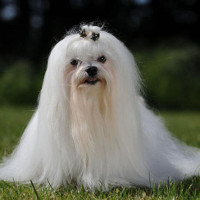
| The Maltese is an ancient mix of Bichon and Spaniel, and was named by the Romans after the island of Malta where it originated. The various names that have been attributed to the breed over the years, such as Comforter, Roman Ladies' Dog and Gentle Spaniel, aptly describe its affectionate, gentle nature, while the name Maltese Lion Dog covers its long mane and often fearless behavior. Throughout their history, these dogs have played the role of comforter to the sick, as they were believed to have healing powers. They were highly prized by the European aristocracy for their rich personalities and regal aesthetics, so much so that they were often the subjects of works of art and literature. They arrived in the United States in the 18th century and have since flourished as companion and show dogs. | ||
 |
||
| Standard of the Maltese |
Appearance of the Yorktese |
| Miniature in almost every way imaginable, the Yorktese measures a maximum of 25 centimeters and weighs an average of 2.5 to 4.5 kilos, which can be attributed in part to its long, silky coat, which comes in a small variety of colors ranging from basic black or white to steel blue and tan. They have a short muzzle topped by a black nose and flanked by dark brown marbled eyes, erect or arched ears, and pronounced eyebrows and whiskers. They generally have a square posture, flat back and medium-length docked tail, which is often groomed to be a little longer. |
Temperament of the Yorktese |
| Small in size but big in personality, Yorkteses are exceptionally affectionate towards their owners and have a constant need for attention that they're not afraid to show. They're generally lively and fun-loving, but without proper training and socialization, they can develop Small Dog Syndrome, which makes them neurotic, whiny and demanding, and correlates directly with their behavior with young children, strangers and other pets. Even with training, it can be difficult to break a Yorktie's will to be a watchdog, and he won't hesitate to give lots of barking warnings if he senses that he or his owners are in danger, even if there isn't any. But with a little direction and affection, these little dogs make excellent pets that offer lots of love and entertainment. |
Needs and activities of the Yorktese |
| Because of its size, the Yorktese is generally a low- to medium-energy dog that doesn't need much more than a good walk and a bit of play to satisfy its needs, especially if it has good space to move around and/or follow its owners regularly. A walk of 8 or 9 kilometers a week should suffice, if combined with a little more playtime, i.e. 30 to 45 minutes a day. Keeping them mentally stimulated will also help control any unwanted behavior. Playing games and teaching them tricks can therefore be very beneficial to the mental health of both parties. |
Maintenance of the Yorktese |
| Due to their longer coats, Yorktese are high-maintenance dogs that require daily brushing to avoid tangles and knots. They also need a bit of trimming to keep a proper shape and a more manageable overall length, but they can also be entrusted to a groomer. They also need bathing on a semi-regular basis, but vigilant owners should be able to tell when their dog is starting to get dirty. Bathing is a relatively easy process, but it needs to be approached with care, which means brushing the dog before the bath to release matted hair and even using a light dog conditioner to make the coat easier to work with. Gentle drying at a low temperature, after lightly wiping, will prevent excess moisture and ensure a much better quality coat once the operation is complete. Ears, teeth and nails should also be monitored and regularly cleaned, brushed and trimmed, respectively, to maintain overall health, happiness and comfort. |



 English (United Kingdom)

Comments