
 |
Chin-Ocker |
|
He is not recognized by the F.C.I. |
Origin |
China <> Great Britain -> U.S.A. | |
Translation |
Francis Vandersteen |
A brief presentation of the Chin-Ocker |
| The Chin-Ocker is a hybrid of the Japanese Spaniel and the English Cocker Spaniel. A wonderful companion, this gentle, gentle mix is perfect for families and adaptable to apartment living. Although not much is known about the hybrid, the parent breeds are known for their friendly personalities and beauty. The Chin-Ocker will need daily grooming to keep its coat looking its best. This sensitive dog can sometimes be slightly submissive and often tends to be shy. The right family, ready to show affection and give the breed time, will find this the perfect addition to their home. |
History of the Chin-Ocker |
| The Chin-Ocker is a hybrid of the Japanese Spaniel and the English Cocker Spaniel. The mix makes a wonderful companion dog, although it doesn't have a long, well-known history. Owners can consult the history of the breed's parents to understand the background to this hybrid. Today, the Chin-Ocker is a member of the American Canine Hybrid Club, the Designer Dog Kennel Club, the Dog Registry of America and the International Designer Canine Registry. This hybrid can easily adapt to living environments of different sizes and makes an excellent addition to the family. |
A little of the Japanese Spaniel |
||
| The Japanese Spaniel is an ancient breed that probably originated in the Chinese imperial court. A highly prized dog, the breed takes its name from Japan, where it was presented to the emperor and regarded not as a dog, but as a separate being. The Japanese bred the dog with small Spaniel-like dogs to achieve the breed's modern look. The Japanese Spaniel was not known outside the island nation until the 19th century. Commodore Matthew Perry began trading between Japan and the West and later, the Japanese Spaniel became a status symbol of wealth and nobility in the West and was known as the Japanese Spaniel until 1977. The American Kennel Club first recognized the Japanese Spaniel in 1888. | ||
 |
||
| Standard of the Japanese Spaniel | ||
A little of the English Cocker Spaniel |
||
| The English Cocker Spaniel is part of the much larger Spaniel family. The Spaniel family was originally divided into two groups, the Water Spaniel and the Land Spaniel. The smaller English Cocker Spaniels belonged to the land group. The English Cocker Spaniel was bred for its excellent hunting abilities. Spaniel refers to Spain, the region in which all Spaniels developed before being moved to other parts of the world. The English Cocker Spaniel gained popularity in the 1800s. The popularity and showmanship of this wonderfully conformed breed shifted the focus away from hunting and more towards show. | ||
 |
||
| Standard of the English Cocker Spaniel |
Appearance of the Chin-Ocker |
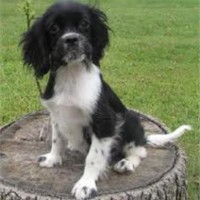
| The Chin-Ocker has a compact, robust body. They have strong muscles and generally weigh no more than 7 kilos at maturity. The head is round with a short muzzle and an attractive black nose. The face most resembles the Japanese Spaniel, with round black eyes. The ears are long, drooping along the head with a wavy appearance. The Chin-Ocker's legs are sturdier than the Japanese Spaniel's, thanks to the English Cocker Spaniel parent, and this hybrid can weigh up to 11 kilos, putting it close to the medium size category. Cream, piebald and white are the colors seen in this hybrid. |
Temperament of the Chin-Ocker |
| The Chin-Ocker is an energetic, friendly dog. Sensitive to their owners' emotions, they are gentle and endearing. The Chin-Ocker is better suited to older children than to toddlers and young children, as their sensitivities can include fear of noises and children. However, the Chin-Ocker is quite friendly towards strangers, but the Japanese Spaniel parent adds an element of mistrust while the English Cocker Spaniel parent adds shyness and distrust. Early exposure to many different people, animals and places will help the Chin-Ocker develop greater self-confidence and socialization skills. The Chin-Ocker gets on well with dogs and may even find a friend in the family cat. Firm yet gentle in voice and action, your Chin-Ocker will excel in obedience and training. Eager to please, they will listen to instructions but may show behavioral changes if kindness is left out. |
Needs and activities of the Chin-Ocker |
| The Chin-Ocker likes to keep busy, but can happily live in an apartment-type environment if getting out and about is included on a regular basis. The Chin-Ocker is a mix of two breeds with varied exercise needs. Despite the different energy requirements, exercise intensity need not be high. However, both mental and physical stimulation are important. Smaller Chin-Ockers will need less exercise, as they often resemble Japanese Spaniels. However, larger Chin-Ockers require more exercise, but a quick run around the yard and mentally and physically engaging play will satisfy. Mental training can include participation in activities that make the body and mind work together. This energy production will help keep your Chin-Ocker content and free of behavioral disorders. |
Maintenance of the Chin-Ocker |
| The Chin-Ocker is not a hypoallergenic hybrid, although the English Cocker Spaniel is considered hypoallergenic. This breed doesn't shed much, but requires frequent grooming and brushing to keep its medium to long hair shiny and mat-free. Grooming around the ears is particularly important, given the Chin-Ocker's predisposition to ear infections. Regular rinsing of the ears with a vet-approved solution is also necessary to remove any build-up of wax, dirt or debris. The Chin-Ocker's hair can grow continuously if the mix leans towards the English Cocker Spaniel parent, and as it doesn't shed, you'll need to remain diligent with grooming practices. Avoid bathing your Chin-Ocker and stick to frequent brushing to distribute the natural oils, eliminate dead and loose hairs and remove dirt and debris from the coat. Regular nail trimming and teeth cleaning will also keep your Chin-Ocker in good health. |



 English (United Kingdom)

Comments