
 |
Coton Eskimo |
|
He is not recognized by the F.C.I. |
Origin |
Madagascar <> U.S.A. -> U.S.A. | |
Translation |
Francis Vandersteen |
A brief presentation of the Coton Eskimo |
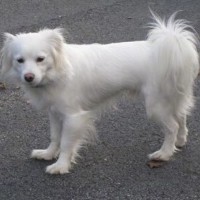
| Coton Eskimo are medium-sized dogs named after their parent breeds: American Eskimo Dog and Coton de Tuléar. They generally have a dense, fluffy and very soft white, black and white, creamy white or tricolored coat. They make good pets and are very affectionate. They are intelligent, social and easy to train. They don't need much maintenance, but this will depend on which parent breed they choose most, as the Coton de Tulear's coat needs trimming while American Eskimo Dogs are easier to care for, although they do require regular brushing. |
History of the Coton Eskimo |
| It's not known when the Coton Eskimo, which is a cross between the Coton de Tulear and the American Eskimo, was first bred, but it has become popular in the U.S.A. |
A little of the Coton de Tuléar |
||
| The history of the Coton de Tuléar, a member of the Bichon family, is also rather poorly documented. They are thought to be descended from dogs that survived a shipwreck off the coast of Madagascar. The Merina, Madagascar's ruling tribal monarchy, kept them as royal court pets in the 17th century. It wasn't until the 1970s that they were brought to France and North America, where they became very popular. They are also known as the "Chien royal de Madagascar". The breed was recognized by the AKC in 2014. | ||
 |
||
| Standard of the Coton de Tuléar | ||
A little of the American Eskimo Dog |
||
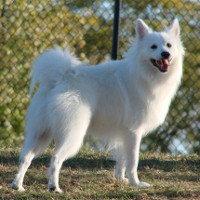
| American Eskimo Dogs, members of the Spitz lineage, are thought to have originated in Germany. Originally known as the American Spitz, the name was changed to American Eskimo Dog to distance themselves from the German line. Known for their highly attractive appearance, they were once circus performers. This breed is available in Toy, Miniature and Standard sizes. They were registered with the American Kennel Club in 1995. Always a dog who loves to work and herd, they are currently listed as the 122nd most popular breed in the U.S.A. Not as well known as dogs with a similar look, this breed has a beautiful appearance. | ||
 |
||
| Presentation of the American Eskimo Dog |
Appearance of the Coton Eskimo |
| The Coton Eskimo is a medium-sized dog weighing up to 11.5 kilos, with a dense, fluffy and very soft coat. They are either white, black and white, creamy white or tricolored. They are likely to take on the appearance of parent breeds such as the Coton de Tuléar with their cotton-like coat, or the American Eskimo Dog with its white and straight double coat. This breed has slightly oval-shaped black eyes and often has tear stains under the eyes. The American Eskimo Dog is known for its alert, lively and luminous expression. They have a broad muzzle and a strong jaw with close-fitting teeth. Their legs are oval and their tails carried over their backs. The Coton de Tuléar is known for its prominent black nose and large, expressive eyes. Their tails curl over their backs. |
Temperament of the Coton Eskimo |
| The Coton Eskimo makes an excellent pet and is playful and affectionate. They are intelligent dogs who are eager to please, so training is easy, even for new pet owners. They are fairly wary of strangers, which makes them good watchdogs. They are likely to share some of the traits of their parent breeds. For example, American Eskimo Dogs are good with other dogs, friendly with cats and very good with children. The Coton de Tuléar also gets on well with children and is a loving dog that adapts well to any environment. They are also easy to train, as they like to please people and are very curious dogs. They have been known to growl when playing and to walk on their hind legs. Your pet will need some exercise to avoid becoming bored and destructive, but they are good apartment dwellers as long as they go out every day. |
Needs and activities of the Coton Eskimo |
| A Coton Eskimo will need a moderate amount of exercise to stay fit and happy. If your dog resembles the American Eskimo Dog, it will need more exercise. These dogs love to play and do tricks more than just go for walks. Eskies love to play hide-and-seek and be chased by their owners. They like nothing more than to be active with their owners and are sometimes called "Velcro dogs". The Coton de Tuléar, on the other hand, is playful and loves attention, but won't need as much exercise due to its size. Both dogs make excellent apartment dwellers as long as they are taken out daily. The American Eskimo Dog is more tolerant of cold than heat, while the Coton de Tulear is also fairly tolerant of cold, but your pet will need to be an indoor dog. |
Maintenance of the Coton Eskimo |
| Like Coton de Tuléar, Coton Eskimo may be hypoallergenic. However, American Eskimo Dog is not, so it depends on who your pet takes most to be or not. Hypoallergenic dogs are good for allergy sufferers. As for grooming, Eskimo Cotton is considered low-maintenance. They shed moderately, so will need brushing several times a week to get rid of loose hair and matting. The Coton de Tulear needs bathing almost every week, while the American Eskimo Dog only needs bathing a few times a year. The breed, also known as Eskies, has sensitive skin, so washing them too often can remove the body's natural oils and irritations. You'll need to monitor your Coton Eskimo's skin condition for redness, and consult your vet for advice on bathing frequency. |



 English (United Kingdom)

Comments