 |
Lhassa Coton |
|
He is not recognized by the F.C.I. |
Origin |
Tibet <> Madagascar -> U.S.A. | |
Translation |
Francis Vandersteen |
A brief presentation of the Lhassa Coton |
| The Lhassa Coton is a lovely cross between the Coton de Tuléar and the Lhassa Apso. Both are toy breeds, so this hybrid will not exceed 4.5 kilos and 28 centimeters in height on average. They have long, thick coats that are straight and come in any color or combination of colors. The Lhassa Coton is an energetic, courageous dog that loves people and other pets. However, they need to be supervised with young children as they will snap if teased too much. This breed can take a little patience to train, so you need to be prepared to spend more time doing so. |
History of the Lhassa Coton |
| The Lhassa Coton is a new breed, and we'll have to take a look at its parents' history to find out more about them. |
A little of the Lhassa Apso |
||
| Buddhist monks living in the Tibetan mountains developed the Lhassa Apso as sentinels for temples and monasteries. Some believe the dogs are descended from Tibetan Terriers, while others think the breed may have been influenced by dogs from the North. After studying the breed's DNA, it seems that one of the Lhassa Apso's ancestors could be a type of mountain wolf. The breed was developed to withstand cold temperatures, and their judgment helped them determine whether someone approaching was friend or foe. Dogs of the breed were never sold, although the Dalai Lamas occasionally gave a pair to imperial families and visiting dignitaries. In 1933, the breed arrived in the United States when the 13th Dalai Lama presented a group of small dogs to Mr. and Mrs. Suydam Cutting. The beginning of the breed in the USA came from these dogs, and the breed was recognized by the American Kennel Club in 1935. | ||
 |
||
| Standard of the Lhassa Apso | ||
A little of the Coton de Tuléar |
||
| The Coton de Tuléar came from Madagascar in the 1600s, but its origins are still a bit of a mystery. They are thought to be related to the Havanese, Maltese and Maltese and are known for their long white coats and gentle disposition. They like to be the center of attention, but can be happy at home when you're not around if they have other friends to play with. It is assumed that the Coton de Tuléar was brought onto ships on long sea voyages and used as rafters and companions. According to legend, the dog ended up in Madagascar as the sole survivors of a shipwreck when they swam to shore and lived on the streets of Tuléar, hence their name. They became popular in France after a Frenchman visiting Madagascar found one and took it home. Soon after, the United States discovered the Coton de Tuléar and they were registered with the American Kennel Club in 2014, where they are the 80th most popular dog breed. | ||
 |
||
| Standard of the Coton de Tuléar |
Appearance of the Lhassa Coton |
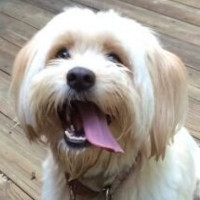
| These fluffy little dogs have big, round, brown eyes and a small black nose on a shortened muzzle. The short muzzle can cause brachycephalic syndrome in some dogs. You should therefore have your dog examined by a vet as soon as possible. Both parent breeds have long, soft, hairy ears and a long, feathered tail that curves over their backs. Although the Lhassa Apso has longer hair than the Coton de Tuléar, the Lhassa Coton also generally has long, silky hair. Their short legs are strong and their body is compact and robust. |
Temperament of the Lhassa Coton |
| The Lhassa Coton is not aggressive, but can become aggravated with small children if allowed to tease them. They get on well with other pets, but need to be well socialized so they can get along with other animals such as dog park dogs. When training, you should use positive reinforcement rather than physical discipline so that your dog doesn't become aggressive. The Lhassa Coton is an intelligent dog but can be stubborn and lazy, so you may have to teach it more than once if you want it to learn something. However, for the most part, they are adorable and gentle and make excellent companions. |
Needs and activities of the Lhassa Coton |
| Your Lhassa Coton doesn't need as much exercise as most dogs, but you should make sure he gets at least 30 minutes of vigorous activity a day. Some of the activities your Lhassa Coton may enjoy are playing ball, flyball or Frisbee, hiking, walking around the neighborhood, playing with other dogs at the dog park and even swimming. He may also enjoy agility competitions or obedience training activities. If your dog doesn't get enough exercise, he may become anxious and develop behavioral problems. This breed also tends to become overweight if it doesn't get enough activity. |
Maintenance of the Lhassa Coton |
| The Lhassa Coton's long, silky coat needs frequent grooming. In fact, it's best to brush your dog with a pin brush and metal comb at least four or five times a week, if not every day. Their fur can become matted and tangled if not brushed often. They don't need to be bathed often, and their skin tends to dry out if you shampoo them too much. You should also clean her ears with a damp cotton ball once a week and check for redness, mites and irritation that may be caused by yeast or bacteria. In addition, your dog's nails should be trimmed if necessary and teeth brushed at least three times a week. |



 English (United Kingdom)

Comments