 |
Neo Bullmastiff |
|
He is not recognized by the F.C.I. |
Origin |
Italy <> Great Britain -> U.S.A. | |
Translation |
Francis Vandersteen |
A brief presentation of the Neo Bullmastiff |
| The specific cross between the Bullmastiff and the Neapolitan Mastiff is officially known as the Italian Bullmastiff by the Designer Canine Registry, but as the Neo Bullmastiff by the American Canine Hybrid Club. This is a giant breed dog, generally over 61 centimetres high at the shoulder and well over 45 kilos. This dog is quite large, and early socialization and training are recommended to bring out the easy-going nature of this giant. This dog's easy-going nature doesn't always extend to other dogs, especially dogs that appear aggressive or encroach on their territory, and they can also inherit a strong tendency to chase small animals from the Bullmastiff. They have fairly undemanding grooming and exercise requirements, but are extremely social with their family and require a lot of attention to be happy and stable. |
History of the Neo Bullmastiff |
| The Neo Bullmastiff is a giant Molosser-type dog, a category of dogs characterized by massive heads, thicker bone structure and short, powerful necks. The Neo Bullmastiff is a cross between the Bullmastiff and the Neapolitan Mastiff, two giant Molosser breeds from different regions and with slightly different purposes. |
A little of the Neapolitan Mastiff |
||
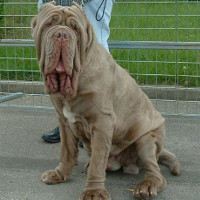
| The Neapolitan Mastiff originates from Italy, where it is known as the Mastino Napolitano, and was originally employed as a cattle guard. These dogs were known to form close bonds with their families, but were more wary and cautious with others. It wasn't until the end of the Second World War that Neapolitan Mastiff enthusiasts began to focus on improving the breed. In 1948, the first Neapolitan Mastiff breed standard was created. | ||
 |
||
| Standard of the Neapolitan Mastiff | ||
A little of the Bullmastiff |
||
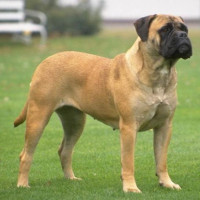
| The Bullmastiff is a breed of English muggle that was used to protect vast English estates and the wildlife that lived there. An intentional cross between the English Mastiff and the English Bulldog, the Bullmastiff was a designer dog long before the term was coined in the late 20th century. Before the development of the Bullmastiff in the late 1800s, English Mastiffs were guard dogs, but they proved too slow to be fully effective on large estates. When the Bulldog of the 1800s was given this task, it was a little too aggressive and tenacious for the job. The combination of the two gave birth to the Bullmastiff, a giant dog with the energy and athleticism to hunt thieves and poachers, but with enough restraint not to maim them. | ||
 |
||
| Standard of the Bullmastiff |
Appearance of the Neo Bullmastiff |
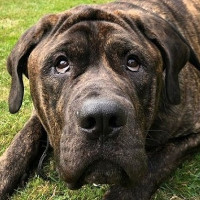
| The Neo Bullmastiff is a hybrid of two giant dog breeds and is a giant in its own right. Although this dog is generally a little smaller than the pure-bred Neapolitan Mastiff, it still averages well over 45 kilos and usually stands over 61 centimeters tall at maturity. Like other Molossus breeds, this hybrid is a solidly built dog with substantial bone structure and a short, powerful neck. Their heads are massive, with muzzles shorter than average, about a third the length of the skull itself, but very broad and deep. They also have small to medium-sized eyes that are often partially or completely hidden by facial wrinkles, and V-shaped ears well above the cheekbones and carried close to the cheeks. This hybrid is likely to have loose skin that can range from a large amount of wrinkled, drooping skin all over the body like the Neapolitan Mastiff to wrinkles that are mainly confined to their neck and facial areas like the Bullmastiff. Neo Bullmastiff dogs generally sport a short, single-coat coat that comes in several solid colors and may also display brindle markings or a black mask. |
Temperament of the Neo Bullmastiff |
| This is a dog built for defense, both in physical conformation and temperament. They tend to be gentle but discriminating towards strangers, but loving and loyal to their family and charges. As calm and relaxed as these massive animals appear to be, when triggered into action they can be an intimidating and formidable foe. They can be a little stubborn and obstinate, and training is most effective when it's consistent and started early. Although this crossbreed is fairly tolerant with children, any interaction must be closely supervised, especially with younger or more exuberant children. Never let children climb on a Neo Mastiff or play too roughly, as this can damage the dog's joints and cartilage. The young Neo Bullmastiff may be too enthusiastic to play with young children, as it can easily knock a toddler or small child to the ground, even at the age of 6 months, but as it grows, it becomes calmer. Use positive reinforcement training methods and socialize your dog as soon as possible. Although they are quite good with most humans, they may have a little more difficulty getting along with other animals, as they have both a large prey and can be quite territorial. |
Needs and activities of the Neo Bullmastiff |
| Neither the Bullmastiff nor the Neapolitan Mastiff generally requires as much activity as most large dogs. They are usually content with around 45 minutes of activity a day. Keeping exercise sessions short and not excessively intense is crucial for giant dogs, especially during their formative years, to protect their bones and joints. Interrupt exercise sessions throughout the day and make sure your dog doesn't indulge in excessive roughness or jump from great heights. This crossbreed is much more comfortable with plenty of room to move around, and tends to be too doggy for a smaller space like an apartment. |
Maintenance of the Neo Bullmastiff |
| Grooming a Neo Bullmastiff is fairly straightforward, requiring infrequent baths, although many Mastiff parents use dry shampoos between baths to deodorize their dogs. Weekly brushing is enough to keep the coat free of dirt and stray hairs, but it's important to clean and dry wrinkles, especially those around the face, with a damp cloth. This prevents dirt, food debris or sweat from irritating the skin, as these conditions can lead to rashes, acne and even serious infections if left untreated. Short-nosed dogs also have a higher incidence of dental problems than longer-nosed dogs, so regular dental care and hygiene are particularly important with this hybrid. |



 English (United Kingdom)

Comments