
 |
Nekita |
|
He is not recognized by the F.C.I. |
Origin |
Italy <> Japan -> U.S.A. | |
Translation |
Francis Vandersteen |
A brief presentation of the Nekita |
| The Nekita hybrid is a specific cross between the Akita Inu and the Neapolitan Mastiff. These are two giant breeds, so your Nekita will probably reach around 72.5 kilos and 63.5 to 73.5 centimeters in height at maturity. They have short, thick coats that are usually brindle, sable, fawn, red, brown, black, white, silver or piebald. Although friendly and affectionate with their owners, they can be touchy with small school-age children. They can be trained to be gentle, but must always be supervised. The Nekita gets on well with other pets and makes an excellent guard dog due to its courageous loyalty and large size. |
History of the Nekita |
| A cross between the Akita Inu and the Neapolitan Mastiff, the Nekita is a powerful, imposing dog. They can be gentle giants or fierce guard dogs, depending on how you train and socialize them. As a result, they are not ideal for owners who have never handled large dogs before. |
A little of the Neapolitan Mastiff |
||
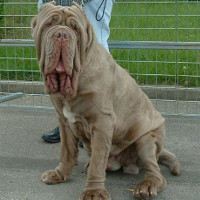
| The Neapolitan Mastiff originated in Naples, Italy, during the heyday of the British Mastiff and the Roman War Dog. They were mainly used as guard dogs because of their imposing size and bravery. The Neapolitan Mastiff was known as the “big dog for little men”, as it protected all family members. This giant, wrinkled dog may not look good on the outside, but they are adorable pets and have been part of the American Kennel Club since 2004. They are now the 99th most popular dog breed in America. | ||
 |
||
| Standard of the Neapolitan Mastiff | ||
A little of the Akita Inu |
||
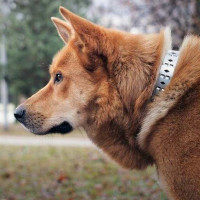
| The Akita Inu is a Japanese dog that originated in the 1600s and was used to hunt bears and other large animals in the snowy mountains. They were also used in dog fighting until it became illegal. The Akita Inu was bred from the Northern Spitz, but was originally known as the Snow Country Dog before the name was changed to Akita. According to the USA and Canada, there is only one breed of Akita Inu, which has two types, the American and the Japanese. However, the rest of the world considers these two breeds to be distinct. The Akita Inu is considered a national treasure in Japan due to the loyalty of one dog, Hachiko, who met her master at the train station every day. Sadly, one day his owner died at work, but Hachiko was so loyal that he waited at the station at the same time every day for several years. A statue has been erected in the station in the name of this brave dog. The Akita was also popular with Helen Keller, who received one as a gift from the Japanese government during her visit there. The American Kennel Club did not recognize the Akita Inu until several years later, in 1972. Today, it is considered the 46th most popular dog breed in the United States. | ||
 |
||
| Standard of the Akita Inu |
Appearance of the Nekita |
| Your Nekita is a very large dog, usually weighing around 72.5 kilos. They can measure from 63.5 to 73.5 centimeters and are very strong and muscular. Their big noses are black or brown, but can also be blue or isabella, depending on coat color. Their almond-shaped eyes are amber or brown with a watchful expression. If your Nekita resembles the Neapolitan Mastiff, it may have very wrinkled, loose skin with a large dewlap. Their coat is short, of medium to thick density, and is usually brindle, sable, fawn, red, brown, black, white, silver, piebald or a combination of these colors. |
Temperament of the Nekita |
| The Nekita has a tendency to become aggressive, so your dog must be properly trained before being introduced to children and pets. They are alert, loyal and protective, making them perfect watchdogs due to their imposing size. They are fairly easy to train, but may need a few reminders from time to time. Some owners prefer obedience classes to ensure that their Nekita is safe for their family and responds to their training. They are not recommended for new owners who have not had large dogs before. The breed is good with other pets, even cats, but needs to be properly socialized when young. |
Needs and activities of the Nekita |
| The Nekita is an energetic dog that needs at least an hour of vigorous exercise every day to stay healthy. This breed is prone to gastric dilatation-volvulus, or bloat, so be sure not to let them eat within an hour of any vigorous activity. Your Nekita loves to run and play ball, so these two activities should be a daily routine as well as taking him for walks several times a day. If these dogs don't get enough exercise, they tend to become restless or bored, and may even become aggressive. |
Maintenance of the Nekita |
| Because of its short coat, your Nekita doesn't need to be brushed too often. However, to promote good skin health and avoid excessive shedding, you should brush your Nekita with a smooth brush or rubber curry brush at least two or three times a week. You can bathe them with a mild dog shampoo if necessary, but check with your vet to see if they need medicated shampoos if they have loose skin like the Neapolitan Mastiff. Make sure his skin folds are always clean and free of moisture so that bacteria don't collect there. Trim your dog's nails if necessary and clean his ears once every 7 to 10 days. Also check for mites, redness or irritation. |



 English (United Kingdom)

Comments